

Modes
Every intent policy runs in one of three modes in each zone that holds it. The mode decides whether a match is only recorded or whether its verdict is applied before the action runs.
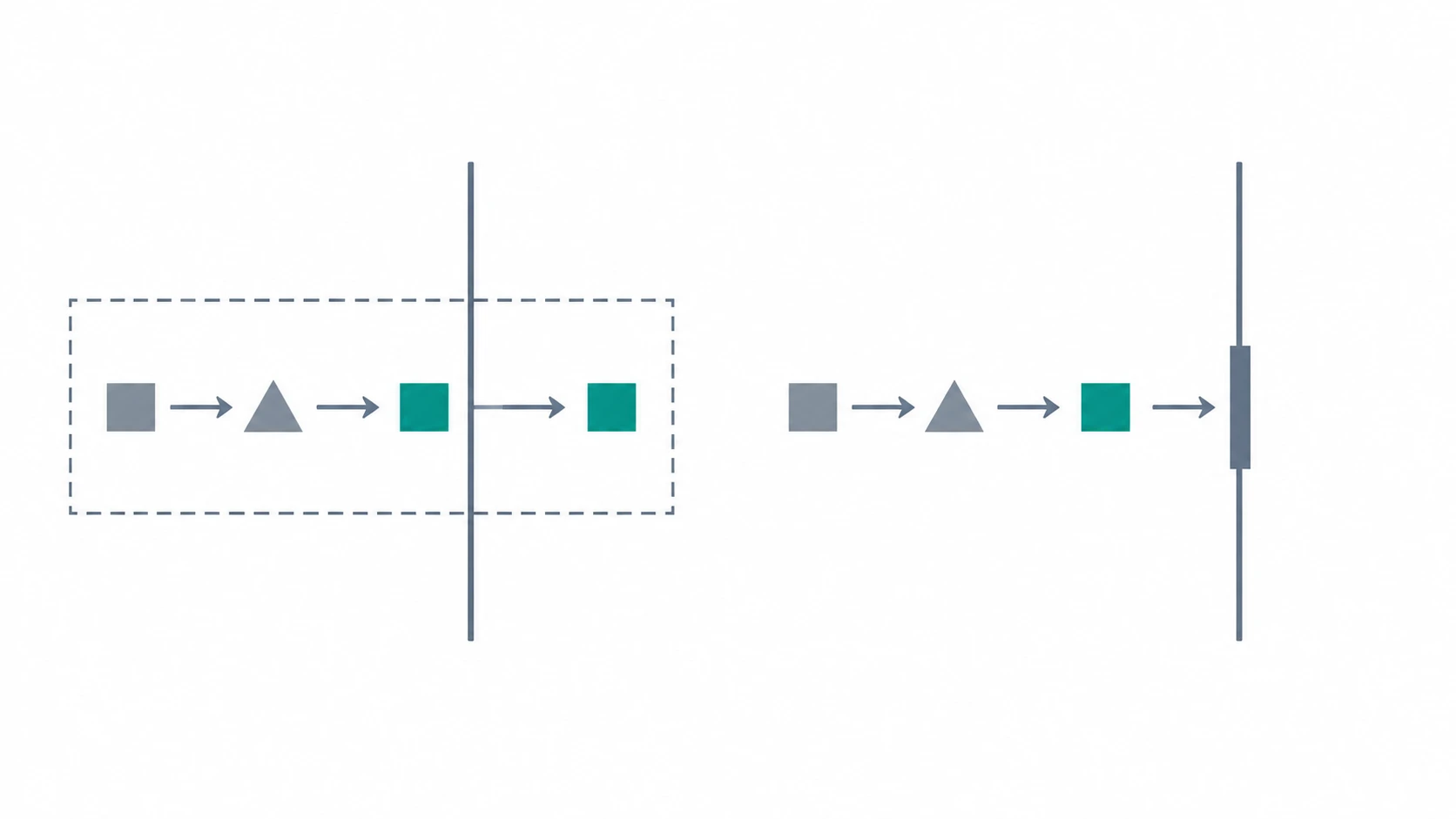
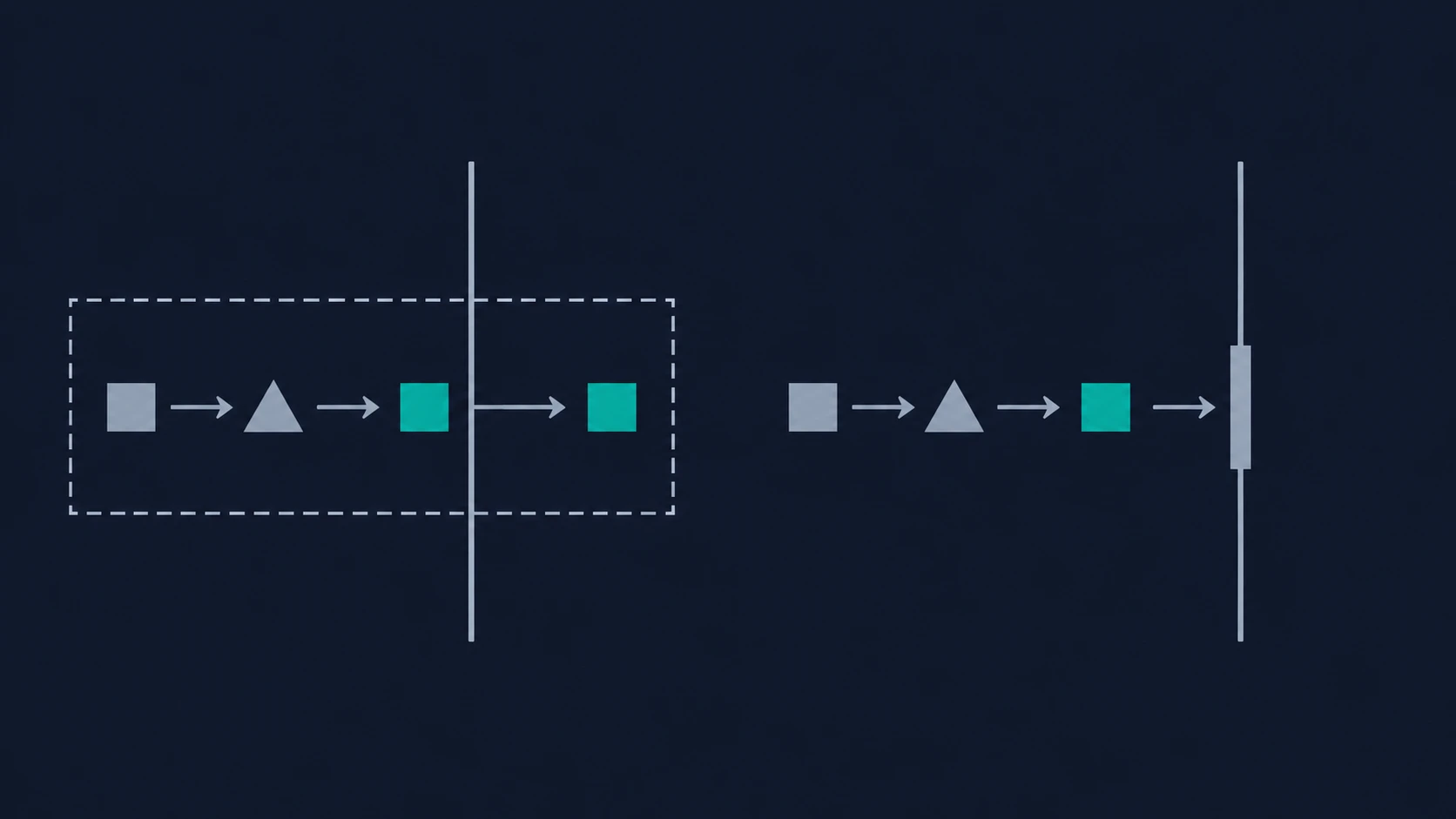
| Mode | What it does |
|---|---|
| Disabled | The policy is kept, with its history, but nothing is evaluated |
| Monitor | A match is recorded and flagged, and the action proceeds |
| Enforce | The client applies the policy’s verdict before the action runs, and records whether it did |
The mode belongs to the policy in a zone, never to a single atom. One exception is built into the atom itself: an atom whose class is monitor-only can be watched but not enforced, so it stays in Monitor even when its policy runs in Enforce.
Earn Enforce on evidence
Section titled “Earn Enforce on evidence”Start a new policy in Monitor. It records every action it would have decided, without changing what the agent does. Read its anomalies: when they show the policy says what you meant, switch it to Enforce. When they show it does not, edit it or disable it.
OpenLatch never widens an agent’s authority on its own. Every move from Monitor to Enforce, and every new policy, is a choice someone in your organization makes.
One policy, several zones
Section titled “One policy, several zones”The same policy can sit in several zones, each with its own mode, for example Monitor in one team and Enforce in another, with no copy to keep in step.
| Rule | What it means |
|---|---|
| Strictest wins | When an agent’s path holds the same policy more than once, it runs once, in the strictest mode: Enforce over Monitor over Disabled |
| A zone only tightens | A policy is switched on in a zone only if it does not loosen the zones above it. Holding it Disabled is always allowed |
| Lowering is never blocked | Moving a policy from Enforce to Monitor, or to Disabled, is always allowed |
| One version everywhere | Every zone runs the policy’s current version, each in its own mode |