

Concepts
These pages explain the ideas you meet everywhere in OpenLatch: the Autonomy Zone, intent policies, verdicts, modes and anomalies. Read them to understand why the product behaves as it does; the guides tell you what to click.
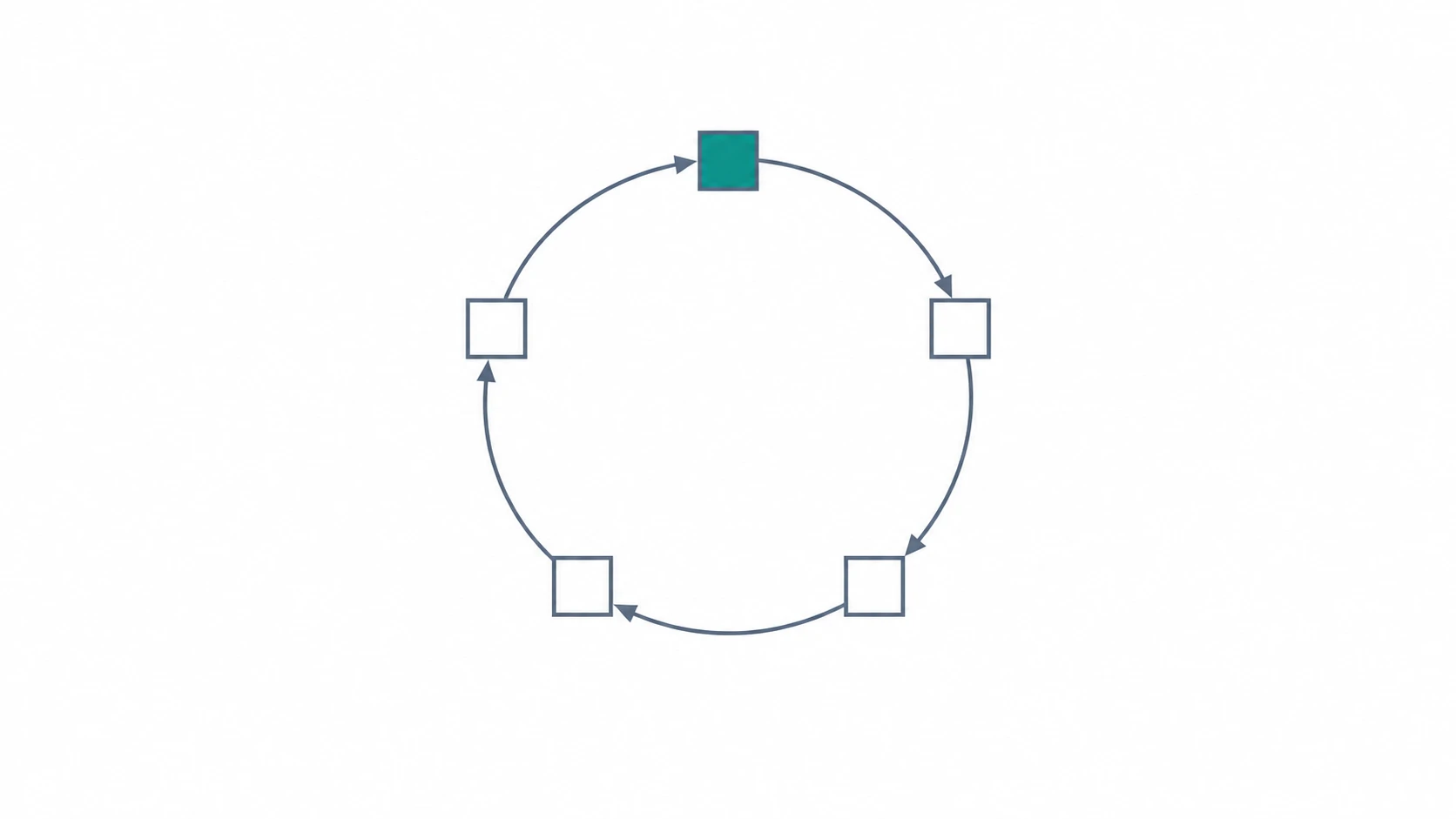
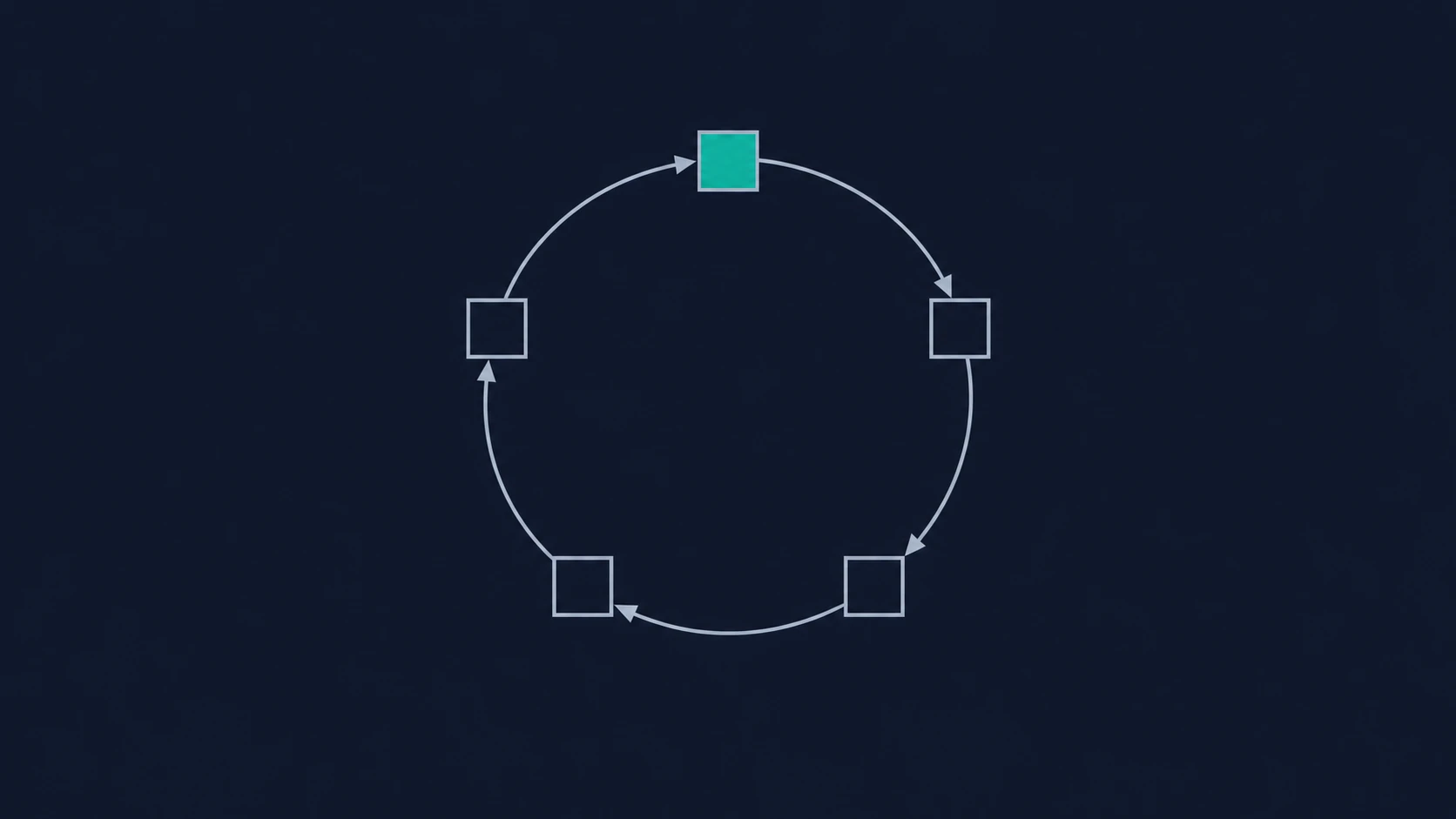
OpenLatch runs a continuous control loop around each agent. Control exists to make it easier to say yes: the clearer the field an agent plays on, the more it can be trusted to do on its own.
| Step | What happens | Read |
|---|---|---|
| Identify | The agent is connected to your enterprise context: its identity, owner, unit, type and environment, and the control level OpenLatch has over it | Control levels |
| Define | Each agent resolves to one effective Autonomy Zone, built from intent policies across five dimensions | Autonomy Zone · Dimensions · Intent policies |
| Detect | What the agent does is captured as an execution graph and checked against its zone. An action that violates an intent policy is an anomaly | Execution graph · Anomalies |
| Act | Before impact, each covered action gets one verdict: Allow, Ask, Block or Optimize | Verdicts · Modes |
| Improve | The record of every decision shows which policies are accurate, so you can move them from Monitor to Enforce. OpenLatch never widens an agent’s authority on its own | Modes |
For the path of a single action from the agent’s hook to the verdict, read How OpenLatch works.